PODS-PACK
Precision Oncology Decision Support – Protein AI Companion Knowledge
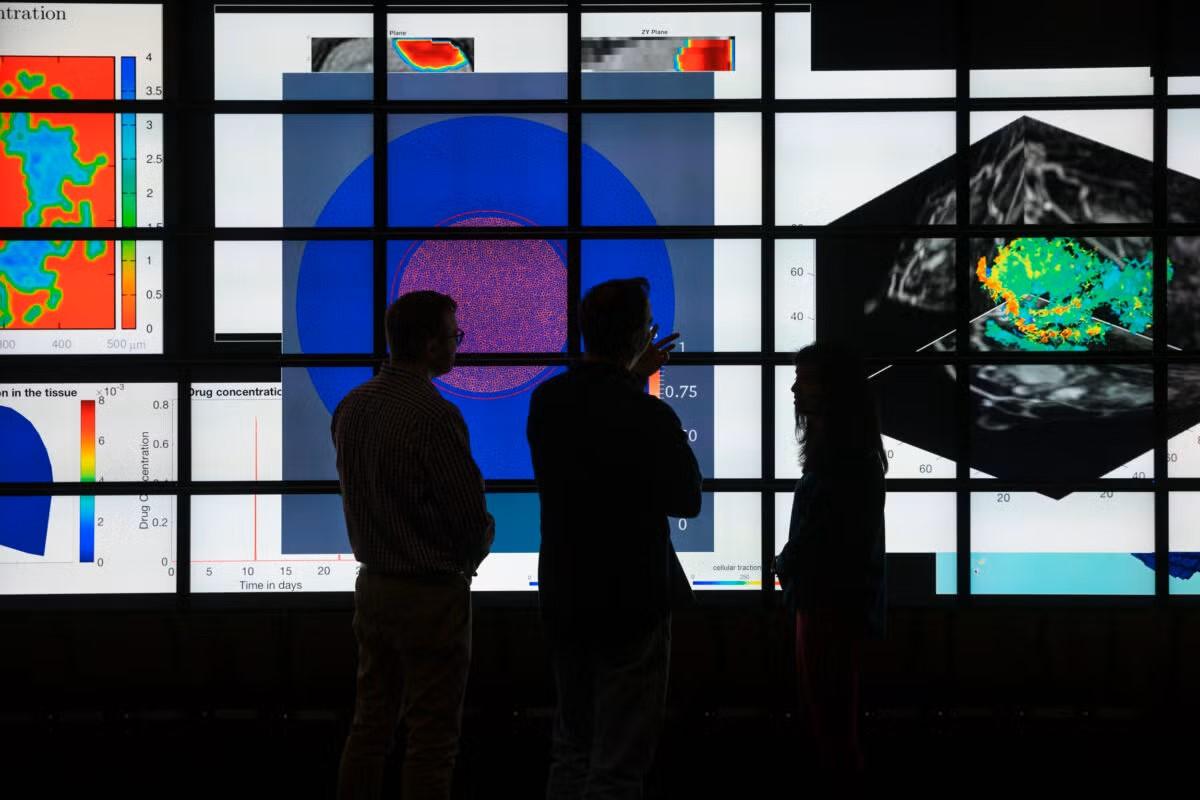
For many cancer patients, doctors use genetic tests to match them with targeted treatments. But what happens when those tests don’t reveal any options? This is a major challenge, especially for people with rare cancers. This research project is working to change that by looking beyond genetics and into something just as important—proteins.
Proteins play a crucial role in how cancer develops and responds to treatment. By analyzing unique protein patterns within a patient’s tumor, this research team aims to identify new treatment opportunities—even in cases where no genetic markers are present. Leveraging cutting-edge data analysis, artificial intelligence (AI), and vast medical databases, the team is developing a comprehensive tumor profiling approach that prioritizes proteins while integrating genetic and clinical data to advance precision oncology. This approach serves as a protein-informed digital learning companion, empowering clinicians with deeper insights into treatment options that were previously inaccessible. Importantly, existing protein test results, while preferable, are not required, as the system will learn from others and augment available genetic and clinical data with inferred protein insights, broadening access to personalized cancer care.
This research project is pioneering a shift from genomic- to proteomic-cancer targetable treatments, expanding the reach of precision medicine to provide treatment options for even the most complex cases. A key component of this work is the development of a human-mediated, AI-generated corpus of hypothesized drug-protein target relationships and testing designs, serving as a foundational resource for AI-enabled cancer clinical care. By doing so, this corpus will establish guidelines and protocols for AI-assisted precision oncology. Through this approach, the project lays the groundwork for scalable, evidence-based AI applications in cancer treatment selection and response prediction.
Team Members
MD Anderson
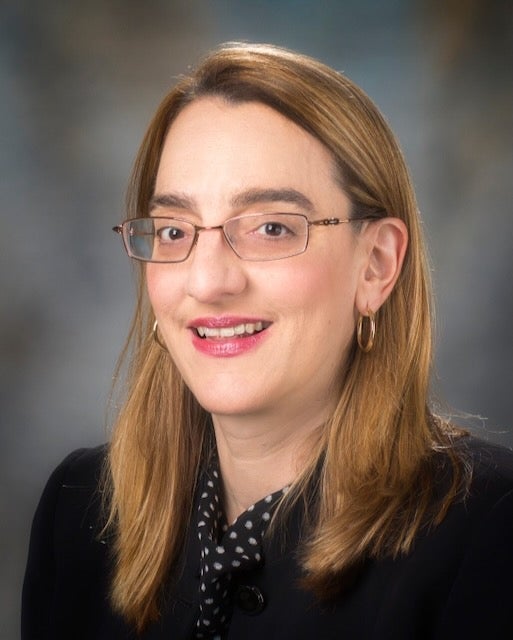
Funda Meric-Bernstam
Professor and Chair
Investigational Cancer Therapeutics
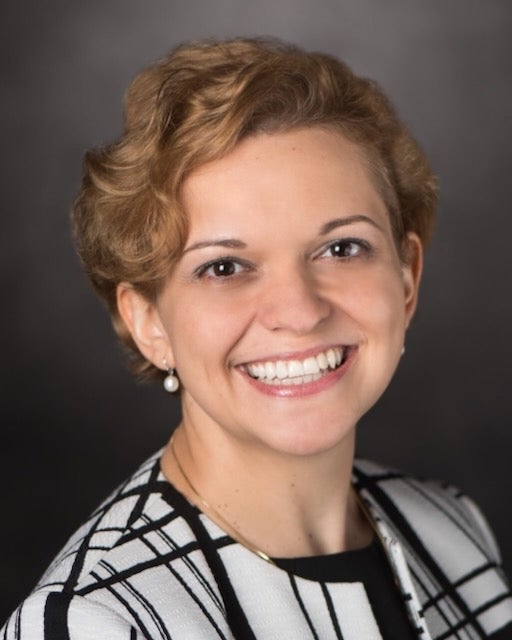
Ecaterina Dumbrava
Assistant Professor
Investigational Cancer Therapeutics

Samir Hanash
Professor
Clinical Cancer Prevention
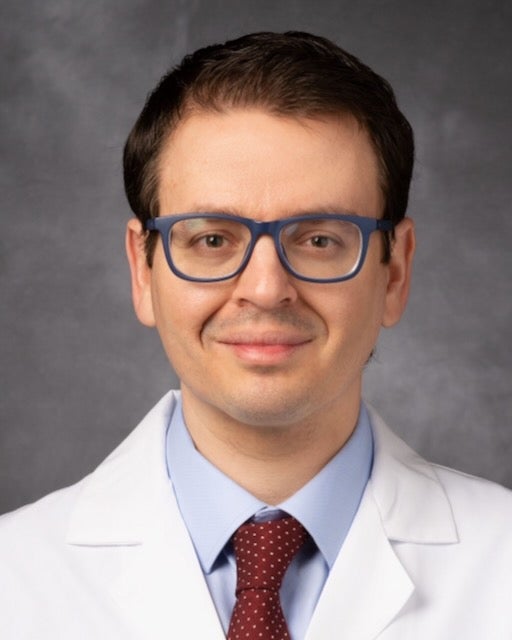
Brian Iorgulescu
Assistant Professor
Hematopathology
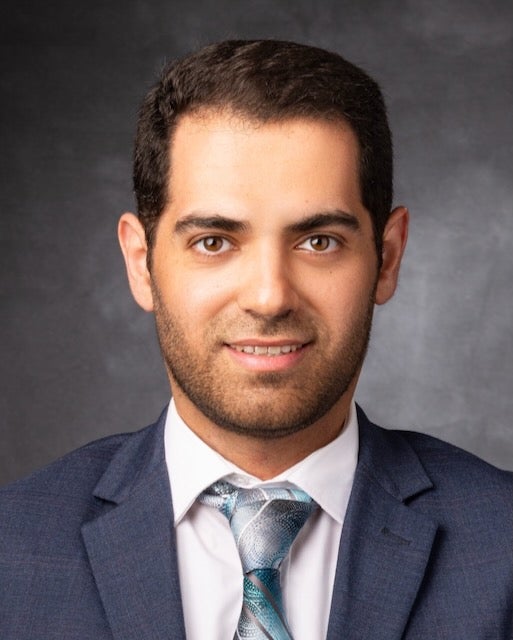
Ehsan Irajizad
Assistant Professor
Biostatistics

Anil Korkut
Associate Professor
Bioinformatics and Computational Biology

Jody Vykoukal
Research Group Leader
McCombs Institute for the Early Detection and Treatment of Cancer
UT Austin

Jeanne Kowalski-Muegge

William “Joe” Allen
Biomedical Informatics Research Associate
Life Sciences Computing
Texas Advanced Computing Center
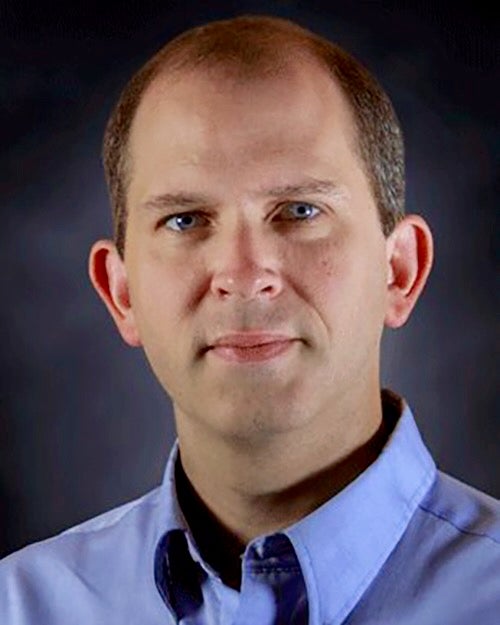
James Carson
Director
Life Sciences Computing
Texas Advanced Computing Center
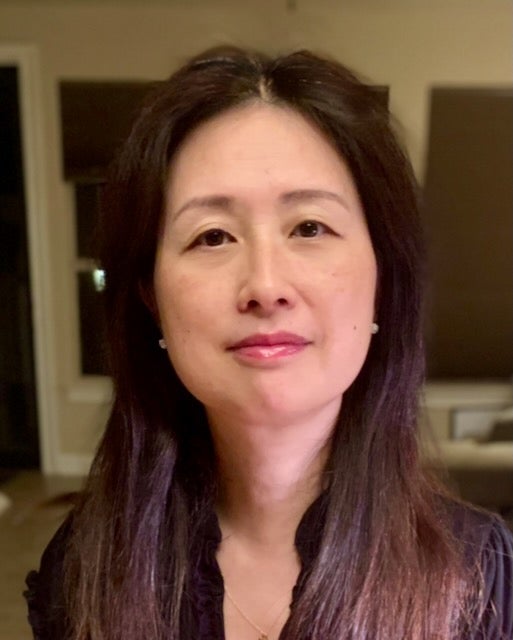
Ying Ding

Boone Goodgame
Associate Professor
Medicine
Dell Medical School
News
UT MD Anderson – UT Austin Collaborative Research Summit Showcases Practice-Changing Innovation to Advance Cancer Care, Diagnosis, and Prevention in Texas and Beyond
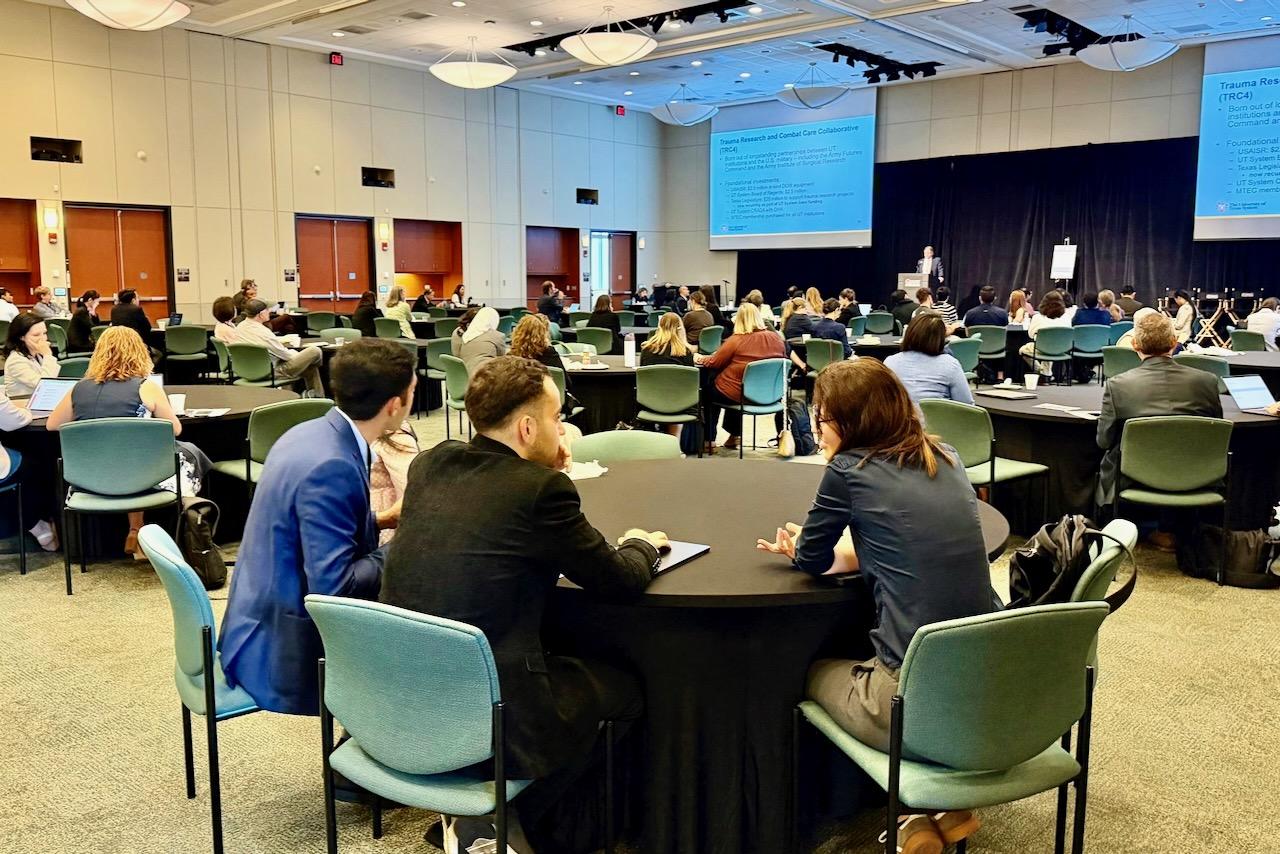
UT Austin and MD Anderson Launch Joint Initiative to Advance Breakthroughs in Cancer Research
The University of Texas at Austin and The University of Texas MD Anderson Cancer Center have launched a joint initiative, the Collaborative Accelerator for Transformative Research Endeavors, to enable groundbreaking research projects that align complementary strengths to improve cancer prevention, diagnosis, treatment and survival.